January 12, 2026

Why Choosing the Right Cross-Docking Partner Matters

Overview

This ADC Warehouse blog breaks down what truly matters when evaluating a cross-docking provider and explains why operational alignment (not just location or turnaround speed) is what keeps freight moving predictably and profitably.

Highlights

Introduction

Cross-docking is often positioned as a fast, efficient way to move freight through the supply chain, but speed alone doesn’t guarantee success. When shipments stall, require rehandling, or encounter safety issues, the root cause is often the capabilities of the provider behind it. Choosing the wrong partner can turn a streamlined strategy into a costly bottleneck.

The reality is that no two supply chains operate the same way. With this in mind, a cross-docking partner must be equipped to support all variables consistently, not just during ideal conditions. Understanding what truly separates basic pass-through operations from well-equipped, adaptable facilities is key to protecting timelines, freight integrity, and long-term efficiency.

What Does “Meeting Your Logistical Needs” Actually Mean in Cross-Docking?

Cross-docking involves more than moving freight from one truck to another as quickly as possible. At its core, effective cross-docking aligns facility infrastructure, trained labor, and operational processes with the specific requirements of your shipments.

This includes weight limits, freight dimensions, handling sensitivities, dwell time expectations, and outbound transportation methods. When those elements are properly matched, cross-docking reduces delays, minimizes handling risk, and keeps your supply chain moving predictably.

What Separates Advanced From Basic Cross-Docking?

Basic pass-through cross-docking focuses almost entirely on speed. Freight arrives, gets staged briefly (sometimes only by dock availability), and is pushed back out with minimal consideration for shipment complexity. This approach may work for uniform, lightweight freight with simple routing, but it often falls short when loads vary in weight, require special equipment, or depend on tight coordination with carriers.

More advanced, customized cross-docking services take a different approach by designing operations around the freight itself. That means evaluating load characteristics in advance, assigning the right equipment and labor, and building workflows that support real-world conditions rather than ideal ones.

In practice, the difference looks like this:

  • Basic pass-through operations: Limited equipment, fixed workflows, and minimal flexibility when freight deviates from the norm
  • Customized cross-docking services: Purpose-built dock layouts, trained teams, and adaptable processes that support diverse shipment needs

Why Weight Requirements Are a Critical Factor in Cross-Docking

Weight load capacities play a major role in whether a cross-docking operation runs smoothly or becomes a bottleneck. While speed is often emphasized, the physical realities of freight weight, load distribution, and handling capacity directly affect safety, efficiency, and turnaround times.

A provider that cannot properly support your freight’s weight characteristics may unintentionally create delays or increase risk throughout your supply chain.

Dock Strength, Floor Load Ratings, and Equipment Limits

Heavy freight, oversized pallets, and concentrated loads place significant demands on a cross-docking facility’s infrastructure. Dock plates, levelers, and floors must be engineered to support both static and dynamic loads, especially when forklifts, pallet jacks, or specialized equipment are in constant use. If a dock’s load rating is too low, even routine unloading can become unsafe or impossible.

Material-handling equipment is just as critical. Standard forklifts may not be rated for heavier pallets, while oversized or uneven loads often require specialized attachments, high-capacity lifts, or reinforced pallet supports.

Without the right equipment on hand, freight may need to be broken down, re-palletized, or moved in smaller increments—each step adding time and handling risk. Cross-docking providers who plan for weight requirements in advance can maintain a smooth flow without compromising safety or efficiency.

Consequences of Mismatched Weight Capabilities

When a facility’s weight capabilities don’t align with the freight being handled, problems surface quickly. Shipments may be held at the dock while alternative equipment is sourced or while staff determine how to move the load safely. In some cases, freight must be rehandled or transferred to another facility entirely, defeating the purpose of cross-docking and increasing costs.

Beyond delays, mismatched weight capacity introduces serious safety concerns. Overloaded equipment, stressed dock components, and rushed workarounds increase the likelihood of accidents, damaged freight, and employee injuries. Unexpected offsite transfers can also disrupt delivery schedules and strain carrier relationships.

Storage Capacity for Cross-Docking Matters More Than You Might Expect

Although cross-docking is designed to minimize storage, real-world logistics rarely operate in a true zero-storage environment. Even the most efficient cross-docking operations require some level of short-term staging to maintain flow, accommodate carrier schedules, and manage shipment variability.

Understanding how a provider handles these storage realities is essential to avoiding slowdowns and unnecessary handling.

Short-Term Staging vs. True Zero-Storage Models

In theory, cross-docking moves freight directly from inbound to outbound transportation without stopping. In practice, brief staging periods are often unavoidable. Inbound shipments may arrive early, outbound carriers may be delayed, or loads may need to be consolidated, sorted, or reconfigured before departure. Short-term warehousing allows these transitions to happen without disrupting dock operations or creating congestion.

Problems arise when a facility is built solely around a rigid zero-storage model. Without a designated staging space, freight can back up on the dock, increase handling time, or force rushed transfers that raise the risk of damage. Cross-docking providers that plan for realistic dwell times (whether that’s minutes or several hours) maintain smoother workflows and greater reliability, even when schedules shift.

Climate Control, Security, and Segregation Needs

Not all freight can be staged under the same conditions, even for short periods. Temperature-sensitive goods may require climate-controlled areas to maintain product integrity, while high-value shipments demand secure zones with restricted access and monitoring. Incompatible cargo types, such as food products and chemicals, also need clear separation to meet safety and compliance standards.

A capable cross-docking provider accounts for these requirements by offering flexible warehousing environments that match the nature of the freight. Climate control, security protocols, and cargo segregation are operational necessities that protect shipments during inevitable handoff windows. When these needs are overlooked, even brief staging can compromise product quality, compliance, or delivery timelines.

Transportation Methods Must Align With the Facility

Cross-docking only works as intended when a facility is designed to support the transportation methods moving freight in and out. Even with efficient dock operations, misalignment between transportation modes and facility capabilities can create congestion and unnecessary handling that undermine the benefits of cross-docking.

Truckload, LTL, Rail, and Intermodal Compatibility

Not all cross-docking facilities are optimized for every transportation method. Each method places different demands on a cross-docking facility, from dock layout to labor flow and scheduling. Understanding these differences highlights why not every warehouse is equipped to handle every mode effectively.

Here’s a guide to the different modes of transportation:

  • Truckload: These are full trailers moving directly from origin to destination with minimal handling. Facilities handling truckload freight benefit from wide dock doors, high-throughput lanes, and fast turnarounds with limited sorting.
  • Less-than-truckload (LTL): These are shipments from multiple shippers consolidated into one trailer. LTL-focused cross-docking requires space for sorting, labeling, and reconfiguration, along with frequent carrier coordination.
  • Rail: This mode involves large-volume freight moved on fixed schedules with longer transit windows. Rail-compatible facilities often need specialized transfer zones, scheduling buffers, and coordination to manage arrival variability.
  • Intermodal: This includes freight that shifts between transportation types, such as rail to truck. Intermodal operations demand flexible dock layouts, precise timing, and equipment capable of handling containers or mixed-load configurations.

Yard Management and Carrier Coordination

Even with the right transportation modes in place, poor yard management can erase the time savings cross-docking is meant to deliver. Congested yards, unclear trailer assignments, and inconsistent carrier communication lead to missed dock appointments and idle equipment. When drivers wait for doors or trailers are staged incorrectly, freight sits longer than planned, increasing dwell time and handling risk.

Effective cross-docking operations rely on coordinated yard flow, clear scheduling, and proactive communication with carriers. Organized trailer staging, real-time updates, and disciplined dock assignments help maintain momentum from arrival to departure.

How To Evaluate Whether a Cross-Docking Provider Is the Right Fit

Choosing a cross-docking provider isn’t just about location or speed. The right partner should align with your operational requirements today while supporting long-term growth.

This checklist highlights the core factors that determine whether a provider can reliably meet your logistical needs:

  • Weight and equipment capabilities
  • Storage flexibility
  • Transportation access
  • Handling expertise
  • Technology stack
  • Compliance standards
  • Capacity for growth

Using this framework helps separate basic pass-through facilities from cross-docking partners that operate as an extension of your supply chain. When these elements align, cross-docking becomes a dependable strategy rather than a recurring operational challenge.

ADC Warehouse: A Cross-Docking Partner That Supports Your Entire Supply Chain

Cross-docking works best when it’s treated as a strategic function rather than a simple transfer point. Facilities that align infrastructure, labor, storage flexibility, transportation access, and technology with real-world shipment requirements create stability across the supply chain, even when conditions change.

If you’re looking for dependable cross-docking services in the Cleveland area that are designed around your freight—not forced to fit it—ADC Warehouse is equipped to support a wide range of weights, transportation methods, and short-term staging needs.

Contact us today at 216-938-9380 to discuss how our cross-docking services can help streamline your operation and keep your supply chain moving with confidence.

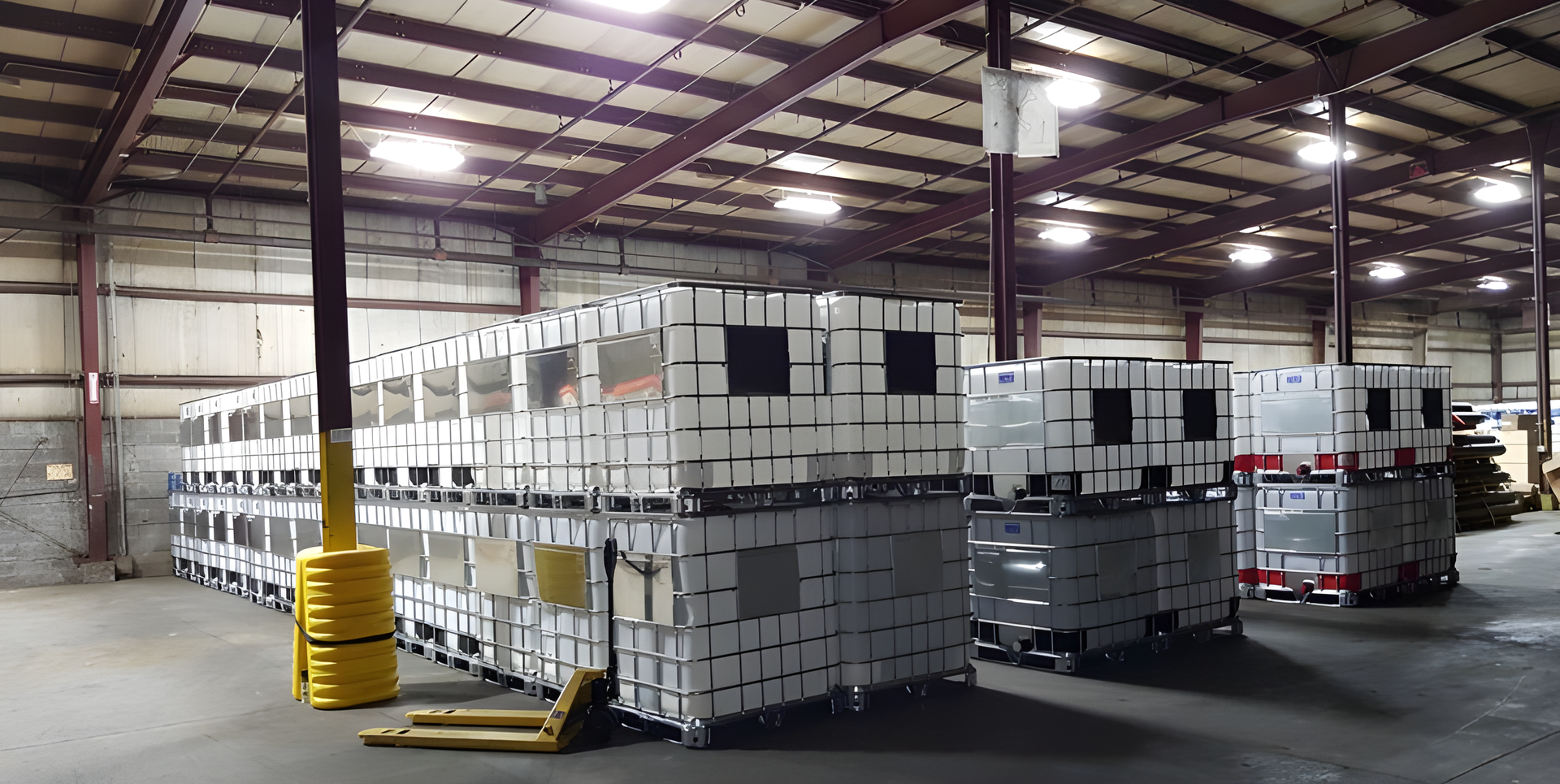
Warehouse interior with stacks of white packaged goods on pallets under metal rafters
September 1, 2026
Overview Cross-docking and transloading both keep freight moving through critical points in the supply chain.
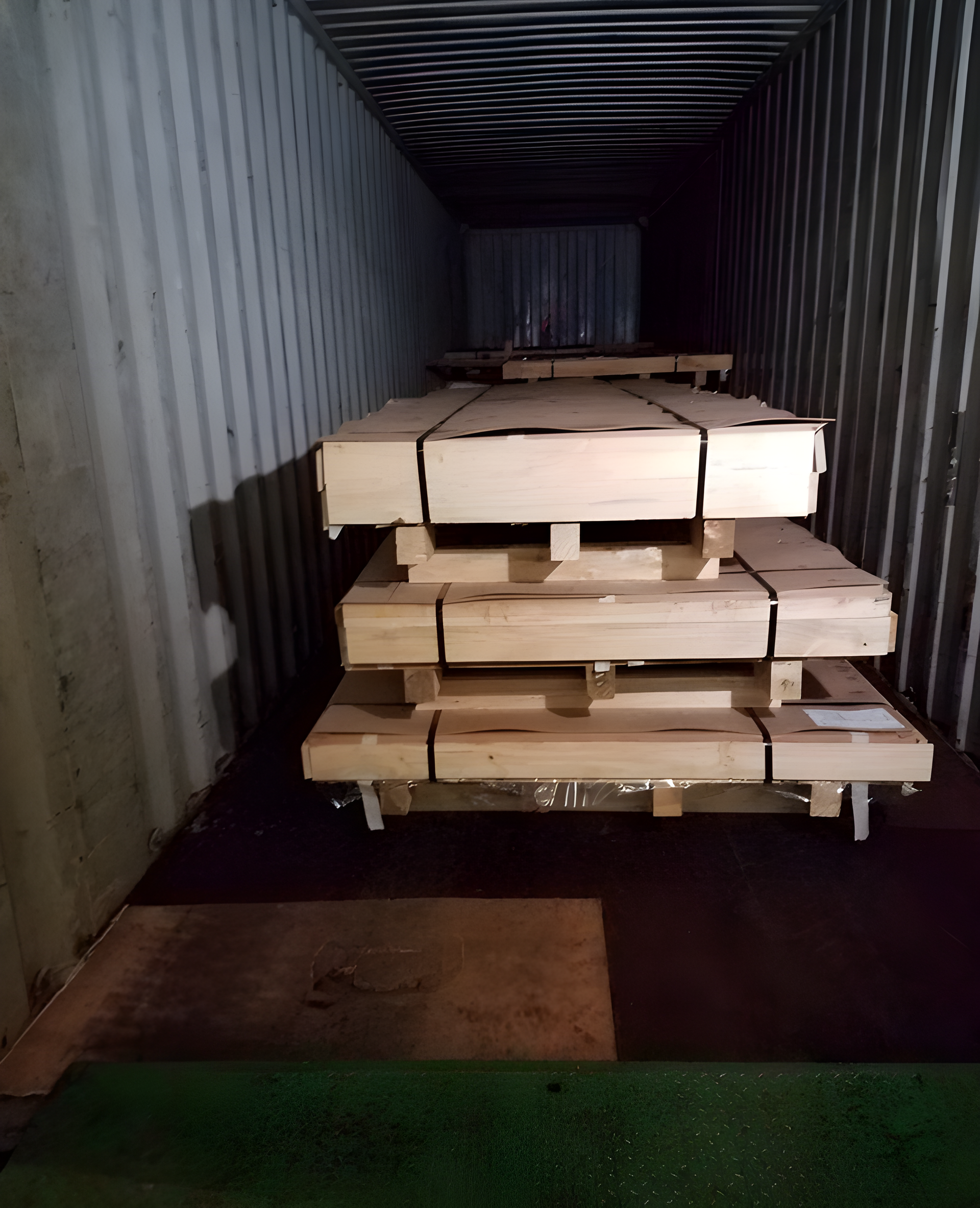
Stacked wooden boards/pallets inside a shipping container, viewed from the open end.
July 30, 2026
Overview ADC Warehouse explains where cross-docking bottlenecks typically develop, what causes freight to stop moving.
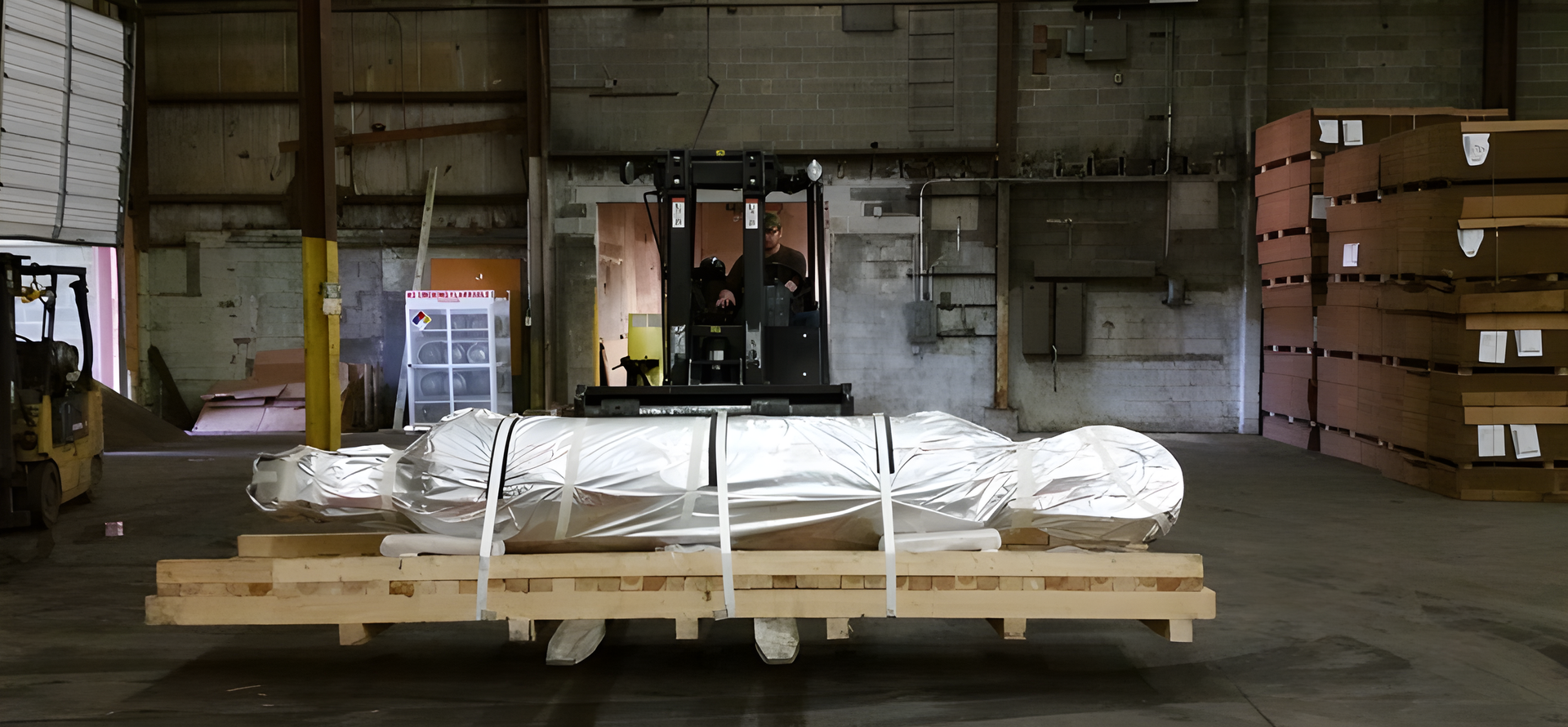
Warehouse loading dock with a pallet of wrapped goods and stacked boxes on the right
June 18, 2026
Overview In this blog, ADC Warehouse explains what happens after freight reaches a warehouse.
White Premier Logistics semi truck parked on a street beside leafless trees on an overcast day
May 12, 2026
Overview Seasonal demand spikes can quickly strain warehouse space, labor, transportation, and delivery timelines. This blog post by ADC Warehouse explains how cross-docking helps retailers move inventory faster, reduce bottlenecks, and keep products flowing during peak sales periods. Highlights The struggles of seasonal demand spikes How cross-docking improves seasonal logistics Common cross-docking mistakes Introduction Seasonal demand […]
White semi truck cab parked indoors beside a gray cinderblock wall.
March 30, 2026
Overview Urgent shipments get expensive quickly when freight stops moving
Rows of blue-lidded yellow storage bins in a warehouse aisle
February 19, 2026
Overview In this blog from ADC Warehouse cross-docking experts, you’ll learn which shipment types are the best fit for cross-docking, why they work so well, and what to double-check before you route freight through a cross-dock.
Industrial warehouse loading dock with trucks, trailers, forklifts, and a gravel lot at sunset
December 1, 2025
Overview Every mile, minute, and misstep in logistics comes with a cost, and not just a financial one.

Warehouse worker in a yellow vest loading cardboard boxes onto a pallet in a storage aisle
May 8, 2024
Cross-docking is a logistics strategy that aims to expedite the movement of goods through a distribution center with minimal storage time.
Pink semi-truck with shipping containers parked outside a warehouse under a blue sky
April 24, 2024
When learning about the warehousing industry, our clients encounter many unfamiliar terms that often throw them for a loop.